
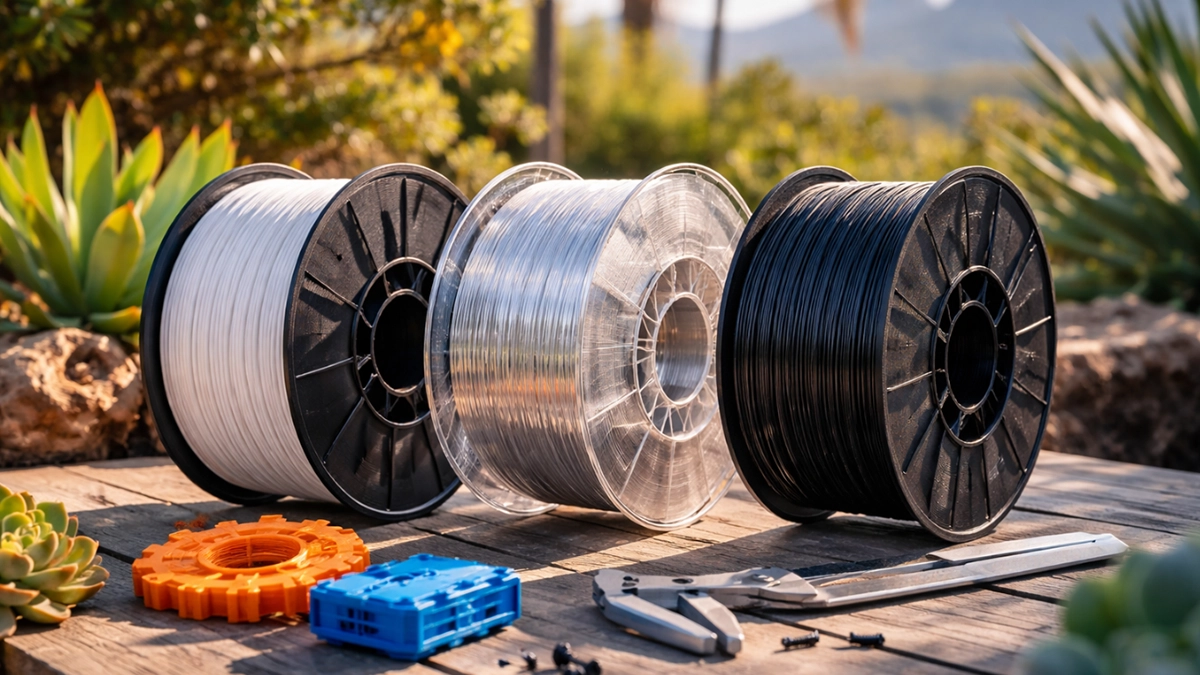
If you’ve spent any time 3D printing in South Africa, you’ll know this: our environment doesn’t play nice with plastic.
Between scorching summer heat, intense UV exposure, coastal humidity, and dramatic temperature swings, your filament choice matters a lot more here than it might in cooler parts of the world. A print that lasts years in Europe could warp, crack, or fade within weeks locally.
So, which filament actually holds up best?
In this guide, we’ll break down PLA vs PETG vs ASA, comparing how each performs in South African conditions — and help you choose the right material for your next print.
Understanding South Africa’s Climate Challenges
Before we compare filaments, it’s important to understand what your prints are up against.
Intense UV Radiation
South Africa experiences stronger UV exposure than many parts of the world, especially inland. This can quickly degrade plastics, causing brittleness and colour fading.
Extreme Heat
Temperatures inside a parked car can exceed 70–80°C. Even outdoor surfaces in direct sunlight can get dangerously hot.
Humidity & Moisture
Coastal cities like Cape Town and Durban deal with high humidity, while inland areas experience seasonal moisture spikes during thunderstorms. Filament absorbs this moisture — and it shows in print quality.
Temperature Swings
From chilly winter mornings to hot afternoons, these fluctuations can stress materials over time.
Bottom line: Not all filaments are built to handle this.
PLA: Easy to Use, But Limited Locally
What is PLA?
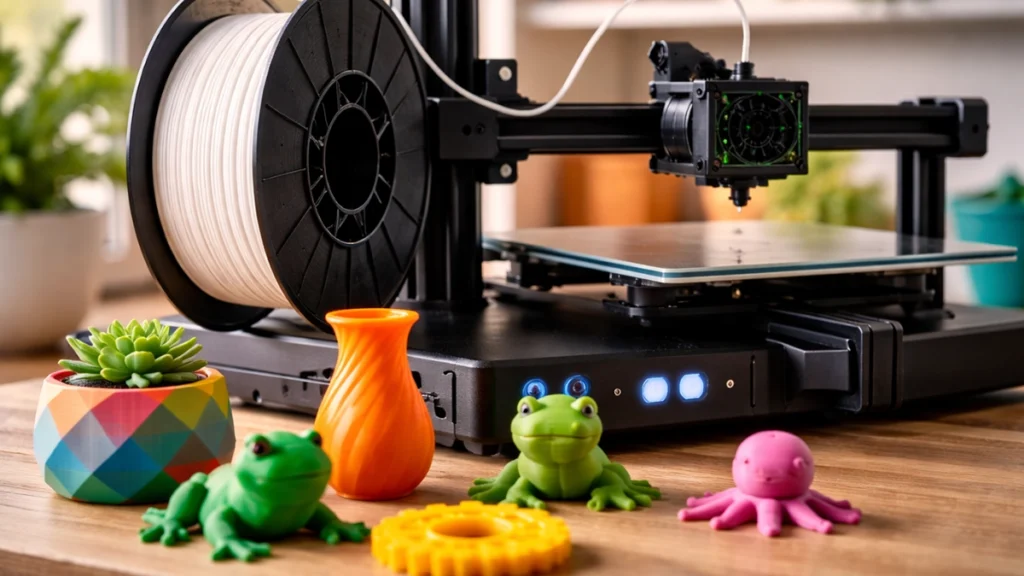
PLA (Polylactic Acid) is the most beginner-friendly filament available. It’s easy to print, widely available, and produces beautiful detail.
But when it comes to PLA vs PETG vs ASA, PLA is the weakest performer in South African conditions.
How PLA Performs in South Africa
PLA has a relatively low heat resistance (around 50°C). That means:
- A print left in a car can soften or deform within minutes
- Direct sunlight can cause warping
- UV exposure makes it brittle over time
Moisture is another issue. PLA absorbs water from the air, which leads to:
- Stringy prints
- Bubbling during extrusion
- Reduced strength
When PLA Still Works Well
PLA isn’t useless — far from it. It’s perfect for:
- Indoor décor and display items
- Prototypes and test prints
- Figurines and models
- Educational projects
Local Tip
Store PLA in airtight containers with silica gel — especially during humid months.
PETG: The Best All-Rounder for South Africa
What is PETG?
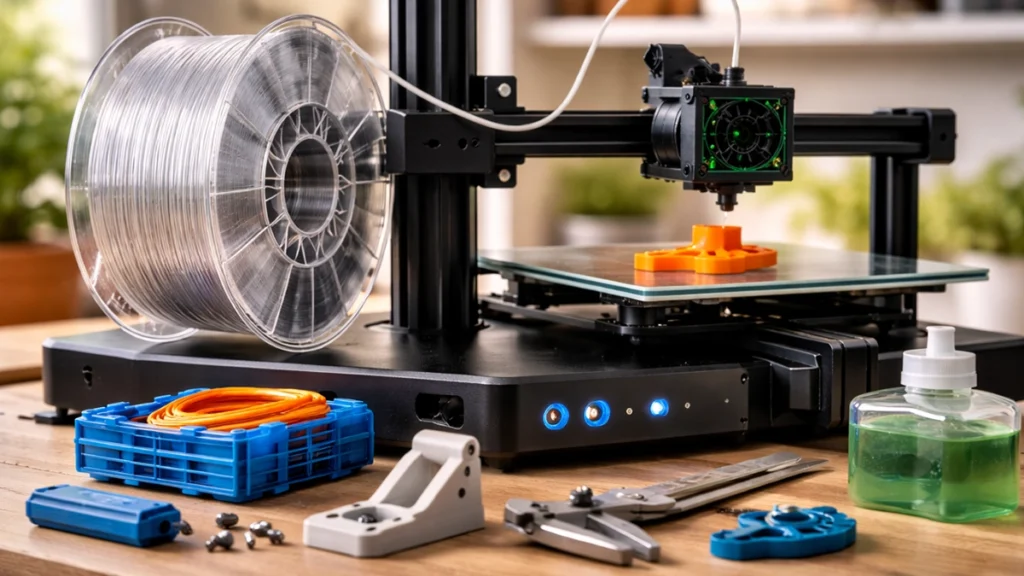
PETG (Polyethylene Terephthalate Glycol) sits comfortably between PLA and engineering filaments. It offers better strength, flexibility, and heat resistance — while still being relatively easy to print.
How PETG Performs in South Africa
For most makers, PETG is the sweet spot.
- Heat resistance: ~75–80°C (handles warm environments well)
- Moisture resistance (printed parts): Excellent
- UV resistance: Moderate
PETG won’t survive extreme heat like a car dashboard in peak summer, but it handles everyday conditions far better than PLA.
One important note:
PETG filament absorbs moisture faster than PLA, so storage is critical. However, once printed, PETG parts perform well in damp or humid environments.
When to Choose PETG
PETG is ideal for:
- Functional indoor parts (brackets, clips, mounts)
- Kitchen or bathroom items
- Parts that need durability and slight flexibility
- Light outdoor use (preferably shaded or UV-coated)
Local Tip
If you’re unsure which filament to use, start with PETG. It’s the most versatile option for South African conditions.
ASA: Built for Harsh Sun and Heat
What is ASA?
ASA (Acrylonitrile Styrene Acrylate) is specifically designed for outdoor use. It’s essentially a UV-resistant upgrade of ABS — and it shines in tough environments.
How ASA Performs in South Africa
When comparing PLA vs PETG vs ASA, ASA is the clear winner for outdoor durability.
- UV resistance: Excellent (no yellowing or brittleness)
- Heat resistance: ~95–100°C
- Weather resistance: Outstanding
ASA prints can withstand:
- Direct sunlight
- High temperatures
- Long-term outdoor exposure
The Trade-Off
ASA is more challenging to print:
- Prone to warping
- Requires higher temperatures
- Benefits from an enclosed printer
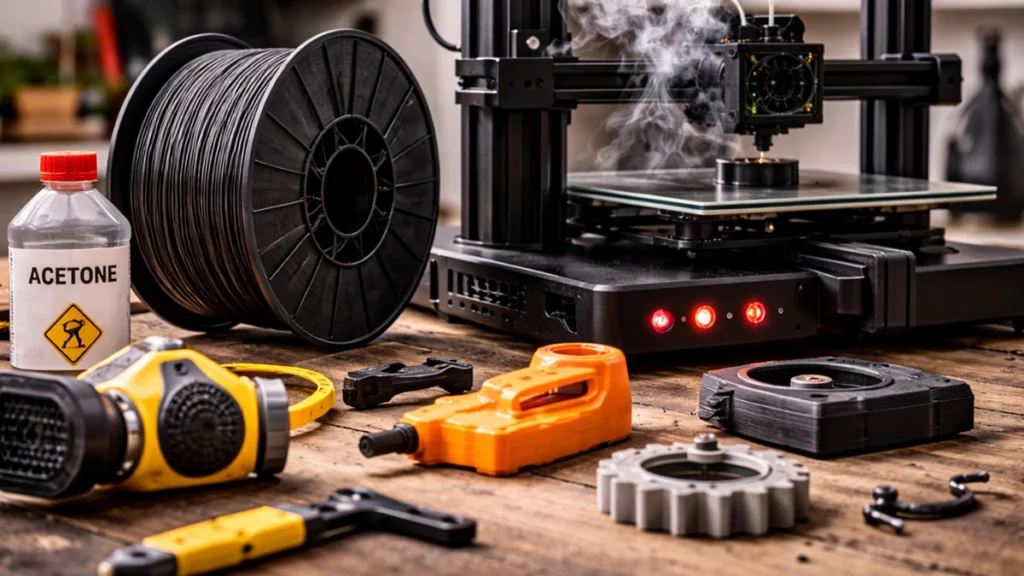
- Produces fumes (ventilation is important)
When ASA is the Best Choice
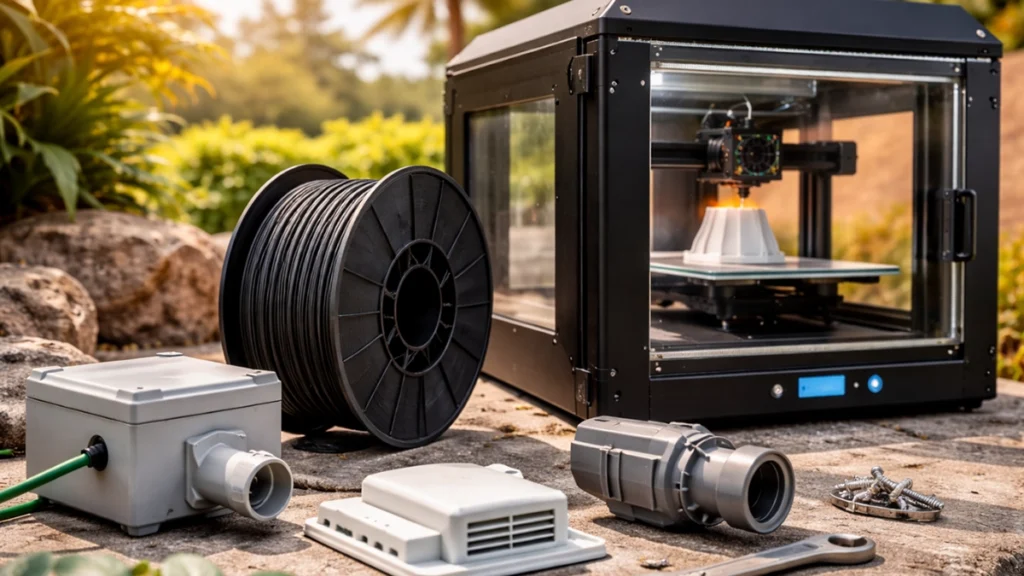
ASA is perfect for:
- Outdoor fixtures and enclosures
- Automotive parts (especially interiors)
- Garden or agricultural components
- Electrical housings exposed to heat
- Irrigation and water-related parts
Local Tip
If your print will live outdoors in South Africa, ASA is almost always worth the extra effort.
What About ABS?
ABS used to be a go-to filament, but it’s largely been replaced.
While it offers good heat resistance, it has downsides:
- Warps easily
- Produces strong fumes
- Degrades under UV exposure
In most cases:
- PETG is easier and more practical than ABS
- ASA is better for outdoor use
ABS still has niche uses, but for most hobbyists and small businesses, it’s no longer the top choice.
Quick Comparison: PLA vs PETG vs ASA
Here’s a simple breakdown:
- PLA
- Easy to print
- Poor heat and UV resistance
- Best for indoor use only
- PETG
- Strong, durable, versatile
- Moderate UV resistance
- Best all-rounder for most projects
- ASA
- Excellent UV and heat resistance
- More difficult to print
- Best for outdoor and high-heat use
Best Filament by Use Case
Indoor Decorative Prints
Go with PLA. It’s affordable, easy, and looks great — just keep it away from heat.
Functional Household Parts
PETG is your best bet. Strong, durable, and reliable in everyday conditions.
Automotive Applications
ASA is the only safe choice. South African car interiors get too hot for PLA or even PETG.
Outdoor Installations
ASA wins again. It’s built to handle sun, weather, and time.
Coastal Environments
PETG works well indoors, while ASA is better for outdoor coastal use.
Prototyping & Budget Projects
PLA is perfect for testing designs before committing to stronger materials.
Filament Storage Tips for South African Makers
No matter which filament you choose, storage is critical.
All filaments are hygroscopic (they absorb moisture), and South Africa’s humidity can ruin a spool quickly.
Best Practices:
- Store filament in airtight containers or vacuum bags
- Use silica gel desiccants
- Keep spools out of open air when not in use
- Invest in a filament dryer if you print often
Drying Guidelines:
- PLA: ~45°C for 4–6 hours
- PETG: ~65°C for 4–6 hours
- ASA: ~70°C for 4–6 hours
If you hear popping or see bubbling during printing, your filament likely needs drying.
Final Thoughts: Choosing the Right Filament
When it comes to PLA vs PETG vs ASA, the right choice depends on your environment and use case.
Here’s a simple rule of thumb:
- PLA → Indoor, low-stress prints
- PETG → Everyday functional parts
- ASA → Outdoor or high-heat applications
South Africa’s climate is demanding — but if you choose the right filament and store it properly, your prints will last.
And if you’re ever unsure? Start with PETG, and upgrade to ASA when the environment demands it.
